
From Salvage to Style: Makeovers That Reimagine Home

Treasure Hunting with Purpose
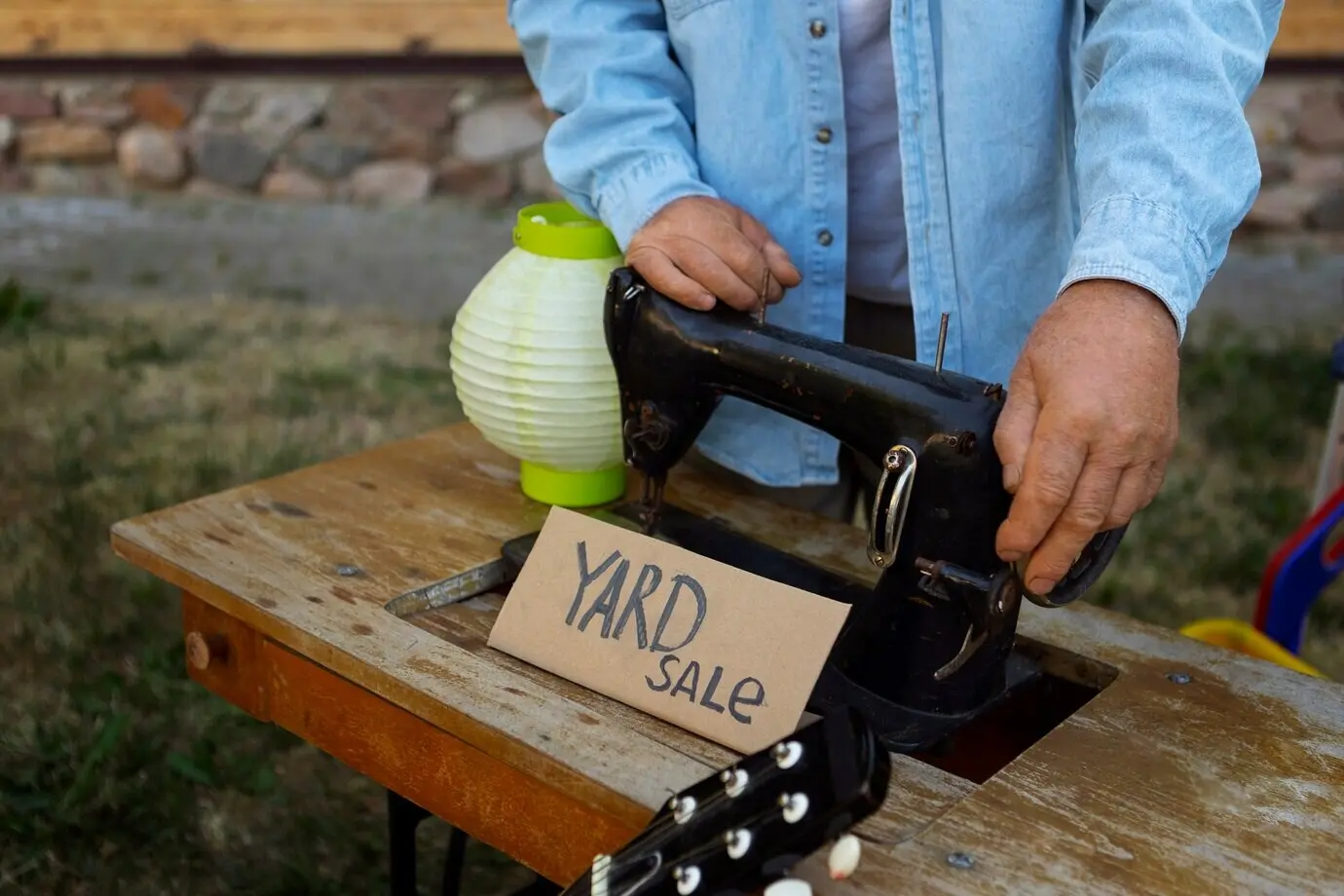
Where the Good Stuff Hides
Measure Twice, Haul Once
Negotiation, Timing, and Trust
Restoration That Honors the Past
01
Wood Revival Without Losing Character
Vacuum first, then gently scrub with a diluted soap solution to lift grime without soaking fibers. De-nail patiently, save hardware, and label holes for later plugs. Spot-treat dark stains with oxalic acid, neutralize, and dry thoroughly. Flatten boards with a light plane pass, preserving saw marks where they tell the story. Re-glue loose joinery using hide or PVA where appropriate, then clamp square. Finish with penetrating oils, hardwax, or shellac for warmth and easy renewal. Avoid heavy polyurethane on antique surfaces you might want to refresh.
02
Metal, Brass, and Iron Brought Back Safely
Start with rust converters or gentle mechanical abrasion, masking surviving patina you wish to keep. For iron, consider electrolytic derusting when detail is intricate; rinse and dry thoroughly to prevent flash rust. Brass can brighten with non-ammoniated polish, followed by microcrystalline wax to seal. Check threads, replace missing set screws, and verify that load-bearing brackets meet modern torque needs. If pieces contact food or hands often, choose clear coats rated for skin contact. Preserve maker’s marks; they reinforce authenticity and conversational value.
03
Glass, Tile, and Stone That Shine Again
Remove old lime mortar with patient chiseling and soaking, avoiding aggressive grinders that chip edges. Clean glass with a razor and mild solvent, protecting any wavy historic panes. For tile, sort by coloration to manage dye-lot variation and lay out patterns dry before committing. Hone stone lightly and seal with breathable products that resist stains without creating a plastic sheen. Use wet saws with fresh blades, and wear eye and ear protection religiously. Document counts and cuts to avoid scrambling for irreplaceable extras mid-install.
Design Alchemy: Old Soul, Fresh Life
Make a Statement, Then Support It
Palette, Texture, and Light Working Together
Layouts That Respect Flow and Code
Weekend Builds That Wow
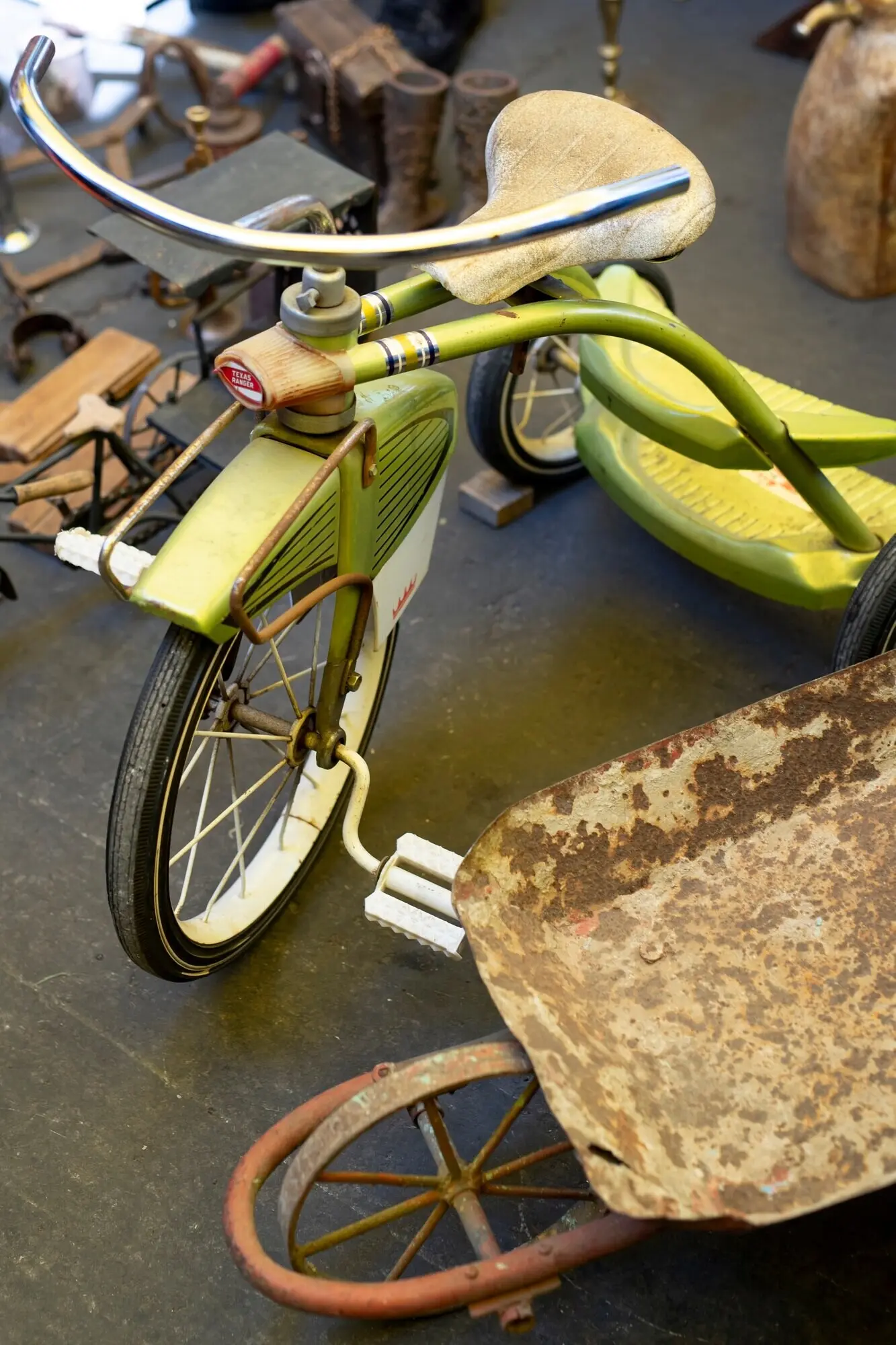
Spend Smart, Save Smarter
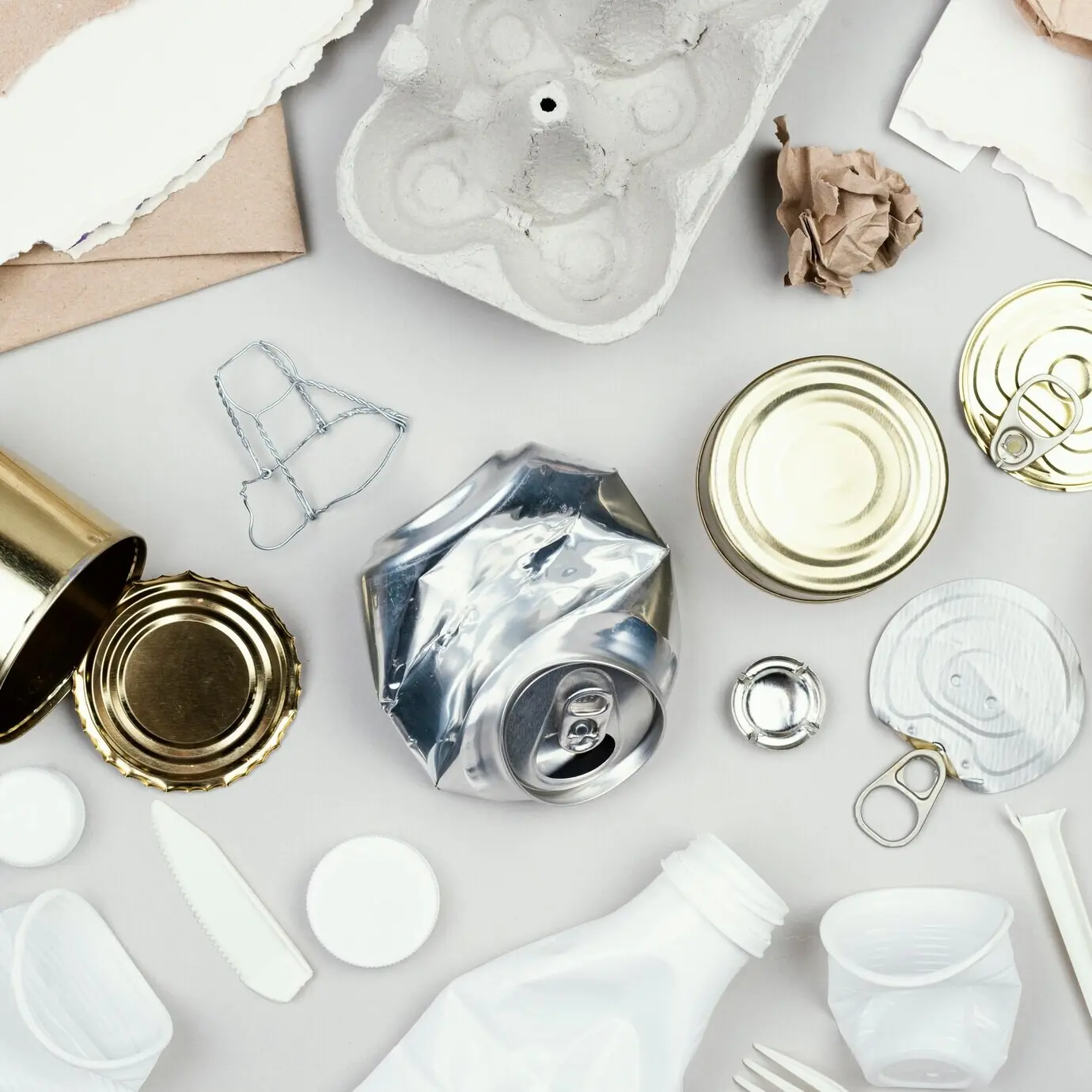
Waste Less, Breathe Easier
Provenance, Permissions, and Respect
Safety, Durability, and Care
All Rights Reserved.