
Hunting Character: Finding and Judging Quality Architectural Salvage

Today we dive into sourcing architectural salvage and, just as importantly, learning how to assess quality reclaimed materials with confidence. We will explore where to look, how to evaluate integrity and authenticity, what tools to carry, and how to balance patina with safety so your projects gain history without inheriting hidden problems.

Finding Sources Beyond the Usual Suspects

Great architectural salvage often hides in places that never make glossy lists: small-town demolition auctions, church closures handled by volunteers, deconstruction nonprofits, municipal reuse depots, farm estate sales, and back corners of long-running salvage yards. Cast a wide net, build respectful relationships with crews and clerks, and be ready to act quickly. The best pieces move fast, and your reputation for punctual pickup and fair dealing will earn advance calls when treasures surface.

Assessing Condition Without Losing the Patina
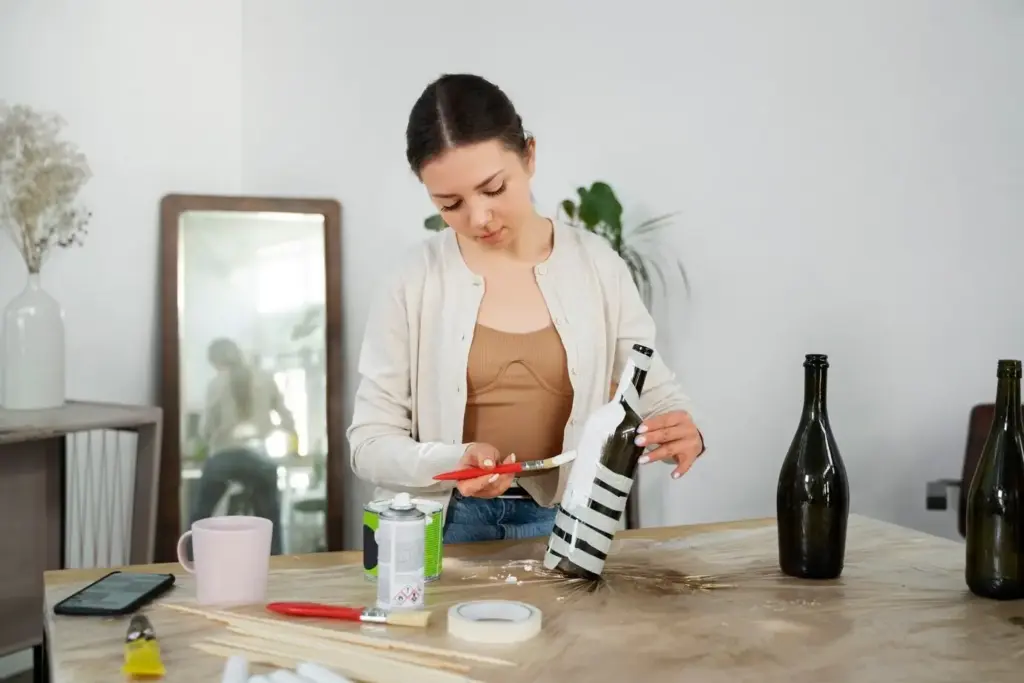
Quality assessment separates character from costly headaches. Distinguish patina—honest wear, softened edges, stable oxidation—from structural decay, active rot, or brittle, compromised substrates. Use a moisture meter for wood, a straightedge for warping, and a magnet to identify non-stainless fasteners. Tap stone and tile to hear clear rings rather than dull thuds. Pre-screen for lead paint and asbestos risks. Your goal is preserving history while guaranteeing performance, safety, and compatibility with modern mechanical systems and code requirements.

Reading Wood: Grain, Moisture, and Previous Lives

Old-growth boards often show tight grain, heavier weight, and clearer sound when tapped. Probe end grain near fastener holes to check for softening. Surface checks may be harmless; cross-grain cracks are not. Note nail patterns indicating reuse history and potential hidden stress points. Measure moisture to avoid trapping water behind finishes. Watch for powdery frass or exit holes suggesting insects. Decide whether stabilization, dutchman patches, or milling minimal edges will preserve strength while respecting the material’s accumulated character.

Masonry and Tile: Soundness Behind the Surface

For brick, assess hardness and firing consistency; mismatched batches may crumble under freeze-thaw cycles. Tap stone; a crisp ring usually means intact structure, while dullness can hint at internal fractures. Examine glaze crazing on tiles, distinguishing decorative crackle from destabilizing network cracks. Check backs for clean mortar removal prospects. Verify dimensions for reinstallation modules. Avoid overly salted or heavily spalled pieces near grade lines. Photograph and label batches to maintain pattern continuity once you begin transport and cleaning.

Authenticity, Provenance, and the Story Behind Each Piece

A credible backstory adds value and guides restoration choices. Learn to read saw marks, hardware types, screw threads, and joinery signatures that align with specific eras. Maker’s plates, casting numbers, and foundry stamps can unlock catalogs and period photos. Ask for demolition permits or deconstruction receipts to confirm origin. Photograph and document your findings, preserving chain-of-custody. Authenticity protects investment, supports ethical practice, and lets clients celebrate not just an object, but the life it lived before arriving in their space.

Cleaning Safely Without Erasing History

Use HEPA vacuums, soft brushes, and mild detergents before considering solvents. Spot-test everything. Steam can raise grain; oxalic acid lightens rust stains but may shift color. For lead-painted items, adopt containment and PPE, or hire certified contractors. Remove grime, not identity. Preserve tool marks, subtle burnish, and hand-wear on knobs and rails. Document steps so future caretakers know what was done. The goal: retain narrative while eliminating contaminants that threaten health, adhesion, or long-term stability.

Repair, Refinish, or Respect the Scars

Not every gouge needs erasing. Decide which marks tell the object’s story and which compromise function. Choose reversible adhesives and mechanical fixes where possible. Consider wax fills, shellac sticks, or minimal inpainting that blends but remains detectable up close. Avoid over-sanding edges that carry decades of touch. When refinishing, aim for breathable, repairable coatings rather than plastic films. The best work reveals honesty: a surface that stands ready for service while still whispering where it has been.

Valuation, Seasonality, and Negotiation

Track auction results and retail listings to anchor your offers with evidence. Off-season buys can stretch budgets, particularly for outdoor stone or radiators. Respect sellers’ expertise while advocating for condition adjustments. Bundle items to save on overhead and transport. Be transparent about your constraints and ready to walk away kindly. A fair, well-reasoned deal today often leads to a phone call tomorrow when another load arrives that fits your exact needs and measurements.

Logistics: Measure Twice, Lift Once

Crate glass with protected edges, not face pressure. Use moving blankets, rigid foam, and edge guards on mantels and stone. Confirm doorway widths, stair turns, and elevator capacities before arrival. Bring straps, dollies, skates, and lifting bars; rent a gantry for truly heavy items. Label pieces clearly to guide installers later. Keep weather covers in the truck. Careful planning prevents injury and damage, preserving both the materials and your relationships with crews and clients.

Storage That Prevents New Damage

Acclimate wood in controlled humidity before milling or finishing. Keep masonry off ground with stickers and breathable cover, avoiding trapped moisture. Store metal dry and lightly oiled if appropriate. Separate glazed tiles with slip sheets. Maintain inventories and condition notes to catch changes early. Good storage protects investments, speeds project starts, and reduces emergency fixes. Think of it as the quiet phase where rescued materials regain equilibrium and readiness for their next, carefully considered life.

Buying Smart and Moving Heavy

Superior pieces deserve clear-eyed math. Learn typical price ranges, understand scarcity by region, and compare condition-adjusted comps. Measure meticulously before buying to avoid expensive modifications. Plan transport like a construction project: pathways, protection, lifting gear, and insurance. Communicate with sellers about loading constraints and timelines. Treat everyone on the chain professionally, paying promptly and confirming receipt. Smart purchasing and careful logistics protect your budget, your back, and the life of the material you worked hard to secure.

Designing With Salvage and Inviting Conversation
Creating Cohesion From Varied Origins

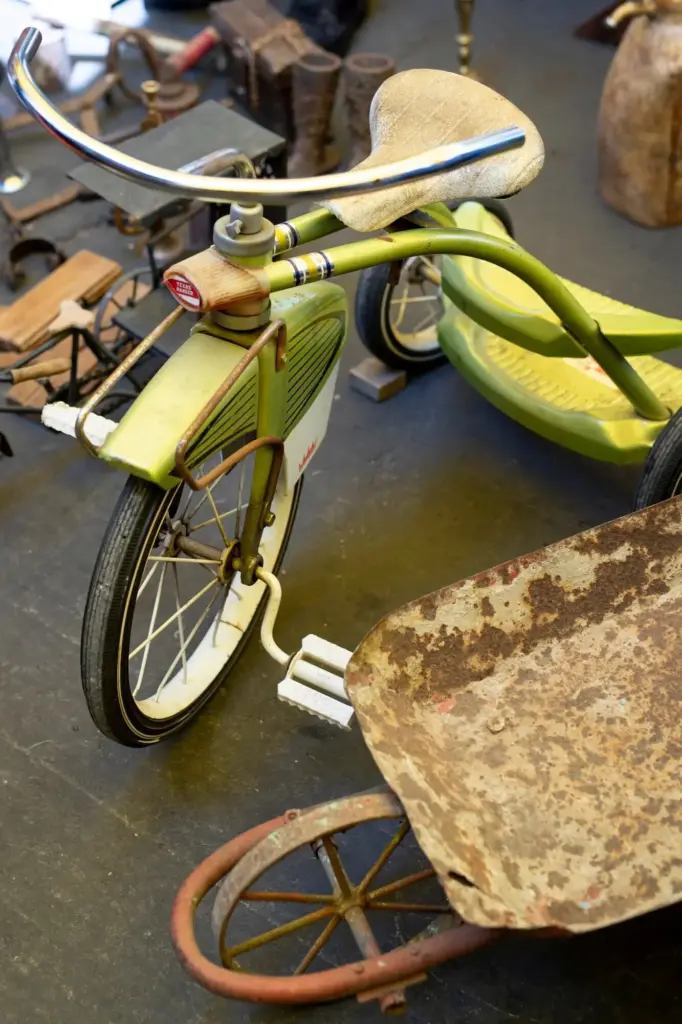
Unify disparate finds with repeating details: aligned rail heights, compatible finishes, or rhyming geometric motifs. Carry a tone from one material to another—bronze echoing wood warmth, or limestone softening steel. Calibrate contrast so character reads intentionally rather than chaotically. Use lighting to emphasize tool marks and handwork. Cohesion doesn’t erase individuality; it composes it into a larger, gracious ensemble that feels inevitable, as though the building always waited for precisely these rescued elements.

Let Patina Lead the Narrative

Unify disparate finds with repeating details: aligned rail heights, compatible finishes, or rhyming geometric motifs. Carry a tone from one material to another—bronze echoing wood warmth, or limestone softening steel. Calibrate contrast so character reads intentionally rather than chaotically. Use lighting to emphasize tool marks and handwork. Cohesion doesn’t erase individuality; it composes it into a larger, gracious ensemble that feels inevitable, as though the building always waited for precisely these rescued elements.

Join the Conversation and Share Your Finds

Unify disparate finds with repeating details: aligned rail heights, compatible finishes, or rhyming geometric motifs. Carry a tone from one material to another—bronze echoing wood warmth, or limestone softening steel. Calibrate contrast so character reads intentionally rather than chaotically. Use lighting to emphasize tool marks and handwork. Cohesion doesn’t erase individuality; it composes it into a larger, gracious ensemble that feels inevitable, as though the building always waited for precisely these rescued elements.

Ruvovavumuxofe
Privacy Overview

This website uses cookies so that we can provide you with the best user experience possible. Cookie information is stored in your browser and performs functions such as recognising you when you return to our website and helping our team to understand which sections of the website you find most interesting and useful.